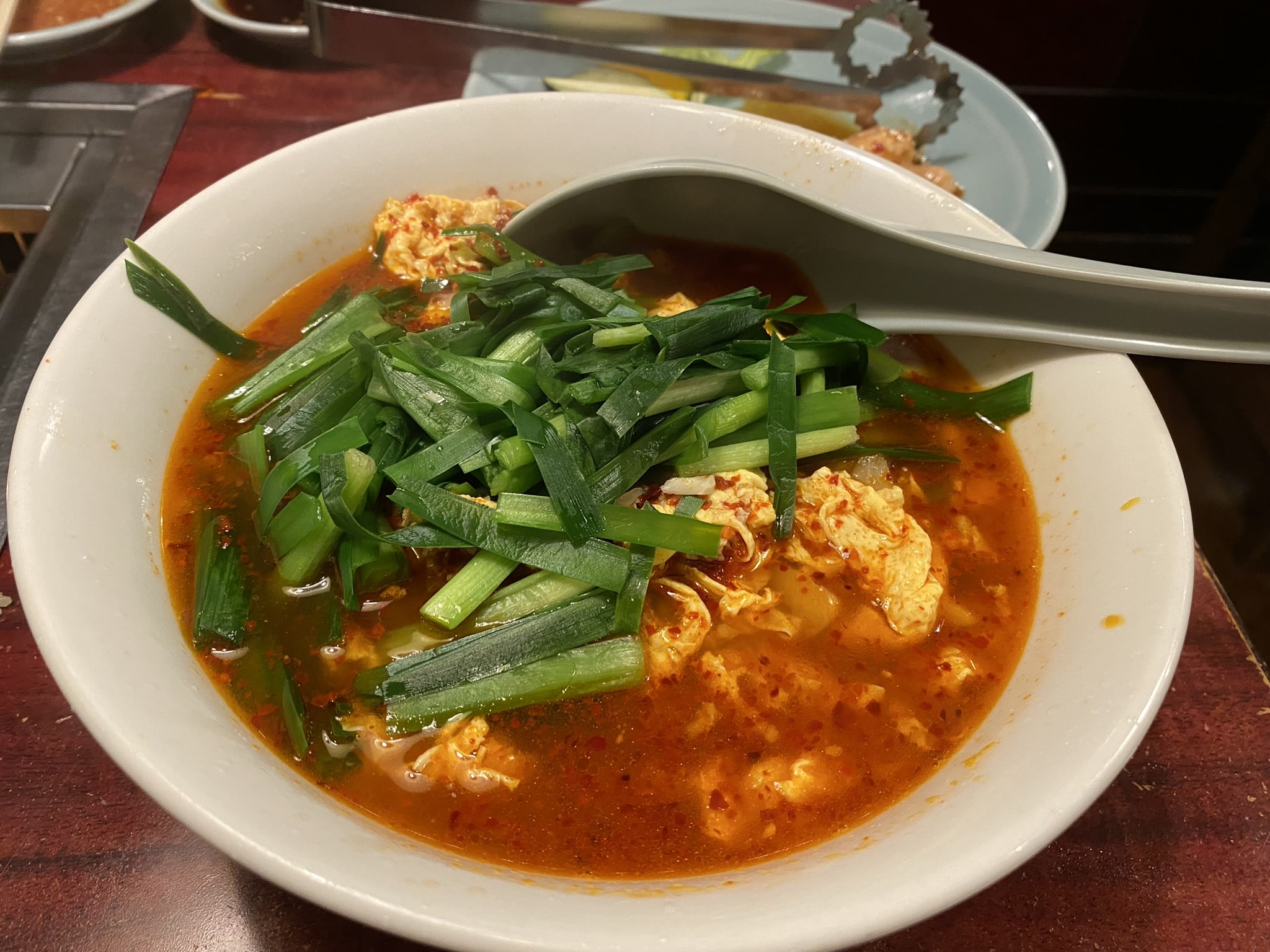
Tantanmen originated in China, but it has undergone a unique evolution influenced by Japan's ramen culture. Among the famous establishments serving this dish is New Tantanmen(ニュータンタンメン), which offers a diverse menu that includes yakiniku (grilled meat).
Restaurant
-
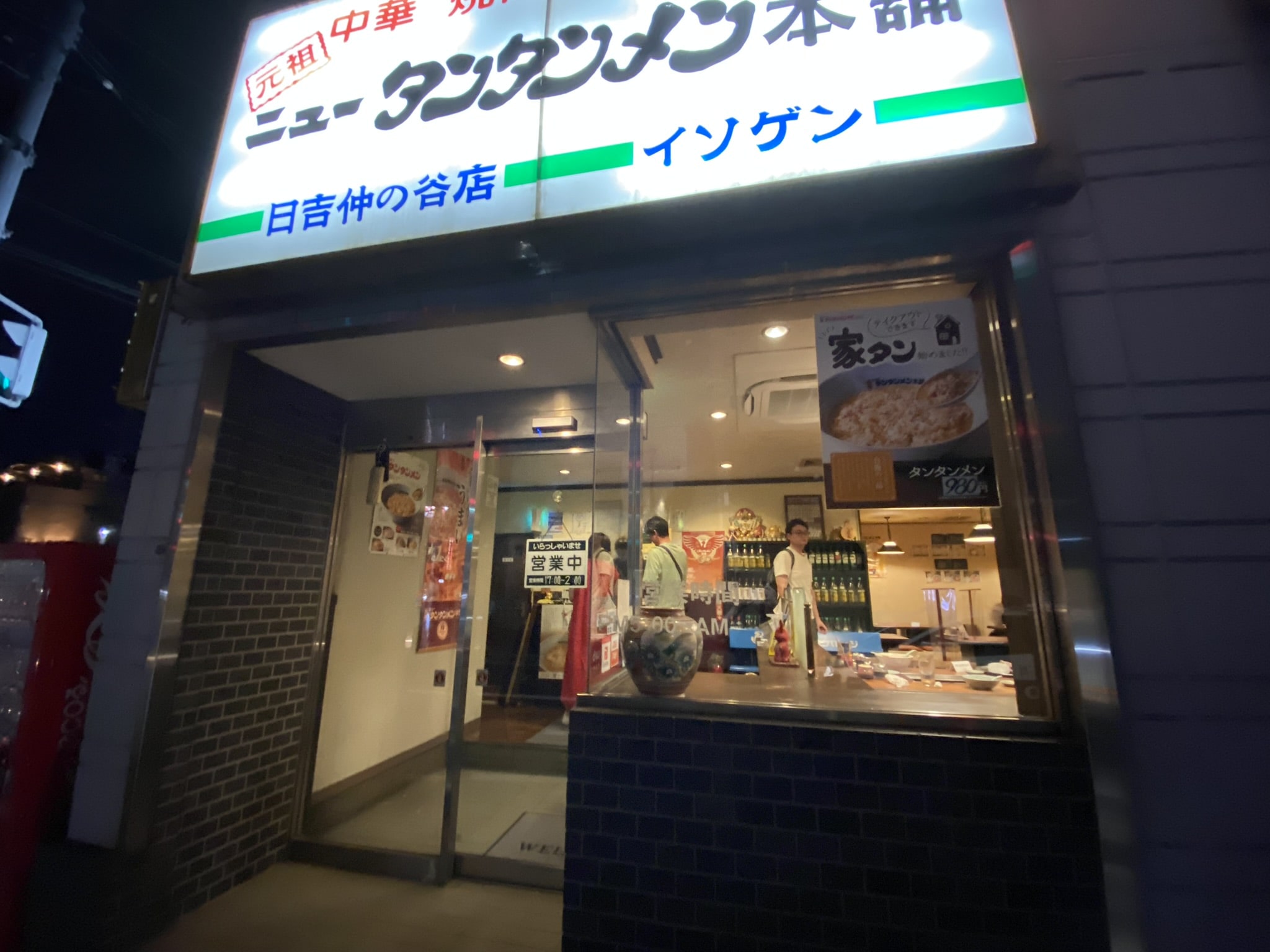
ニュータンタンメン日吉 (New Tantanmen)
the location we featured
Menu
-

cheers!
-
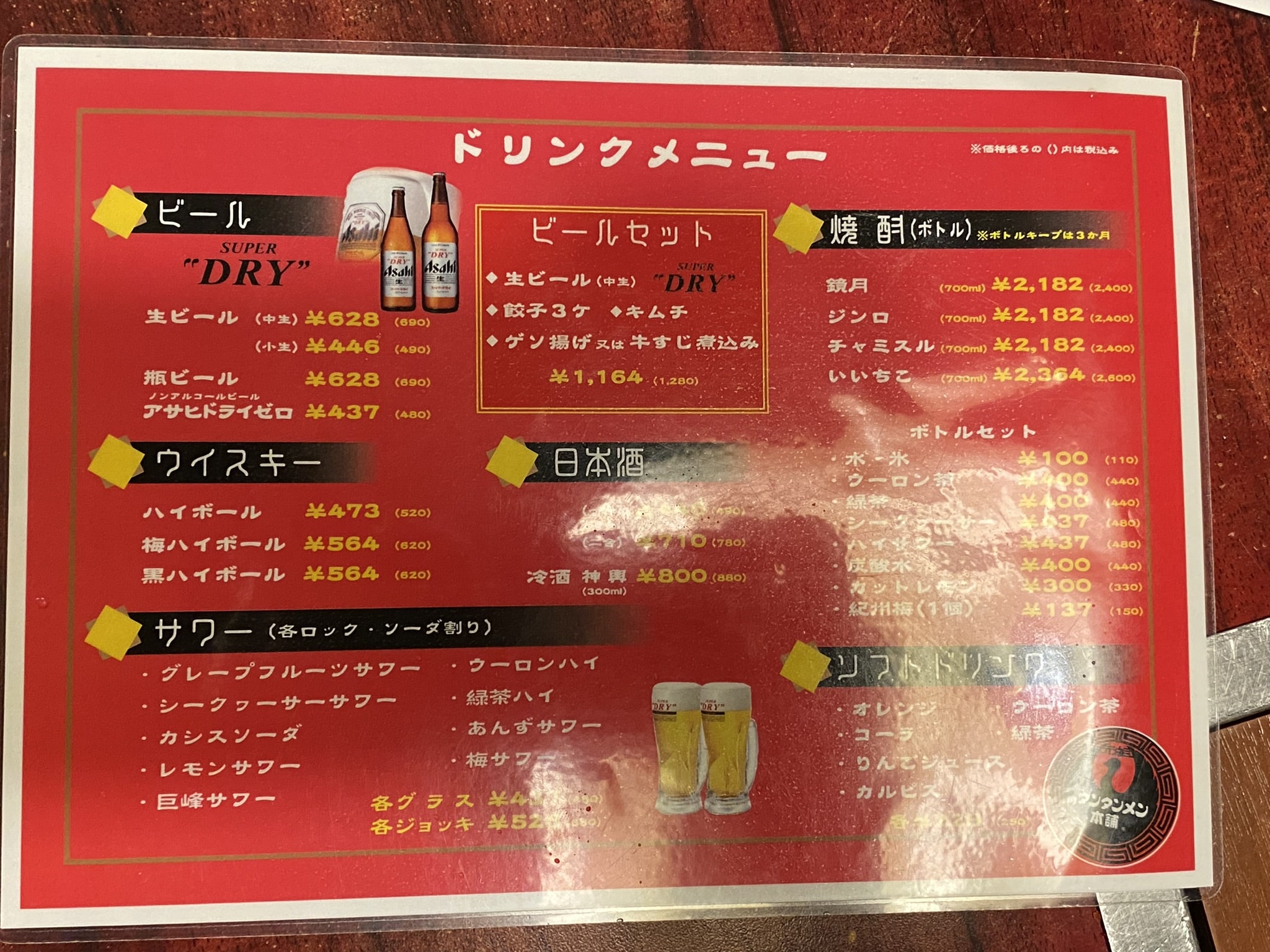
ドリンクメニュー表 (drink menu)
-
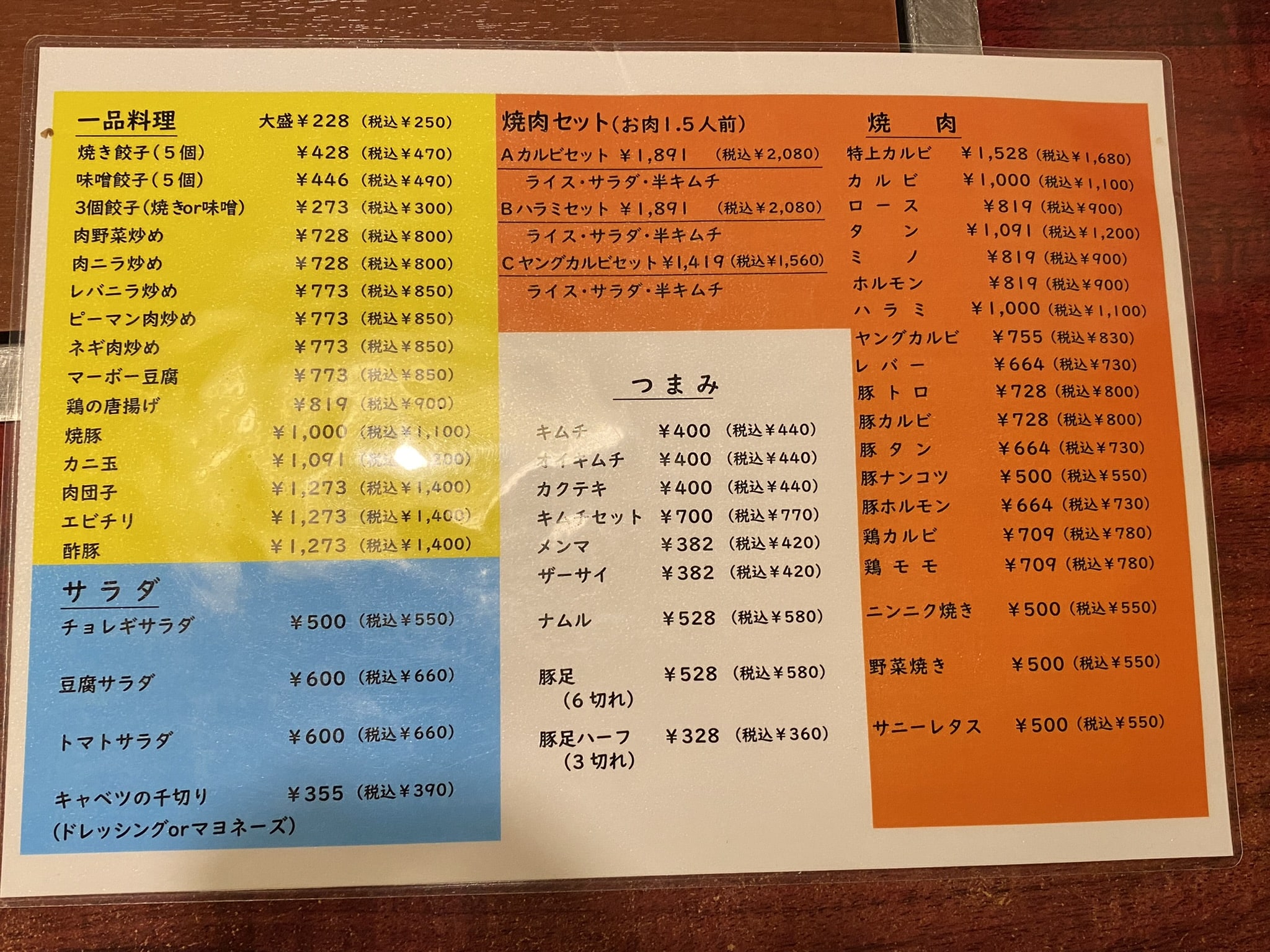
メニュー表 (menu)
so many foods
-
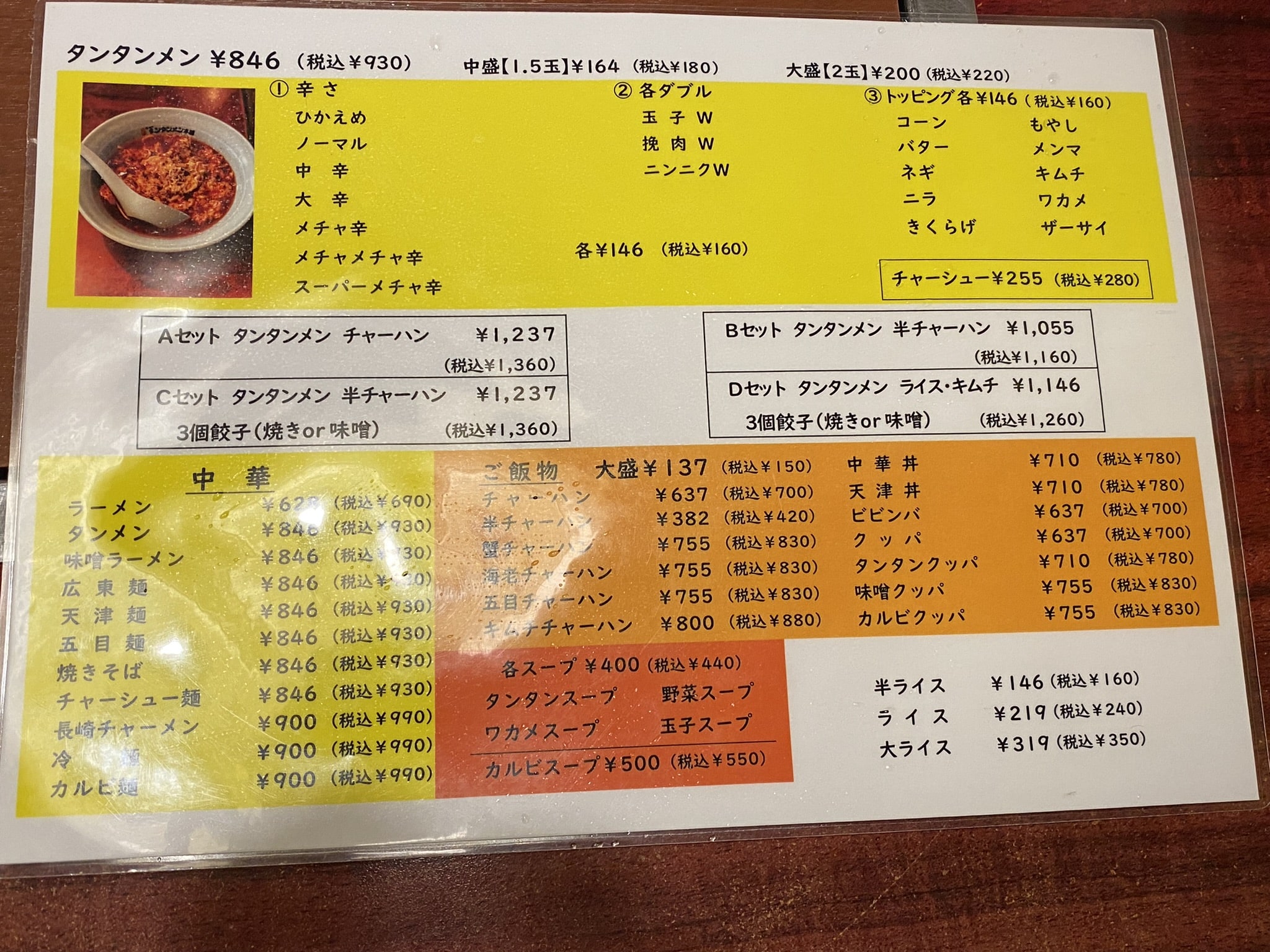
メニューの意味 (mean)
option about tantanmen
-
タンタンメン (tantanmen)
the most popular dish in this restaurant
タンタンメン (tantanmen)
The tantanmen at this restaurant has evolved to suit the Japanese palate, reflecting the influence of Japan's ramen culture. The broth is slightly sweeter than traditional Chinese tantanmen, and the noodles are medium-thick, chewy, and have a satisfying bite, similar to those commonly used in Japanese ramen.
-
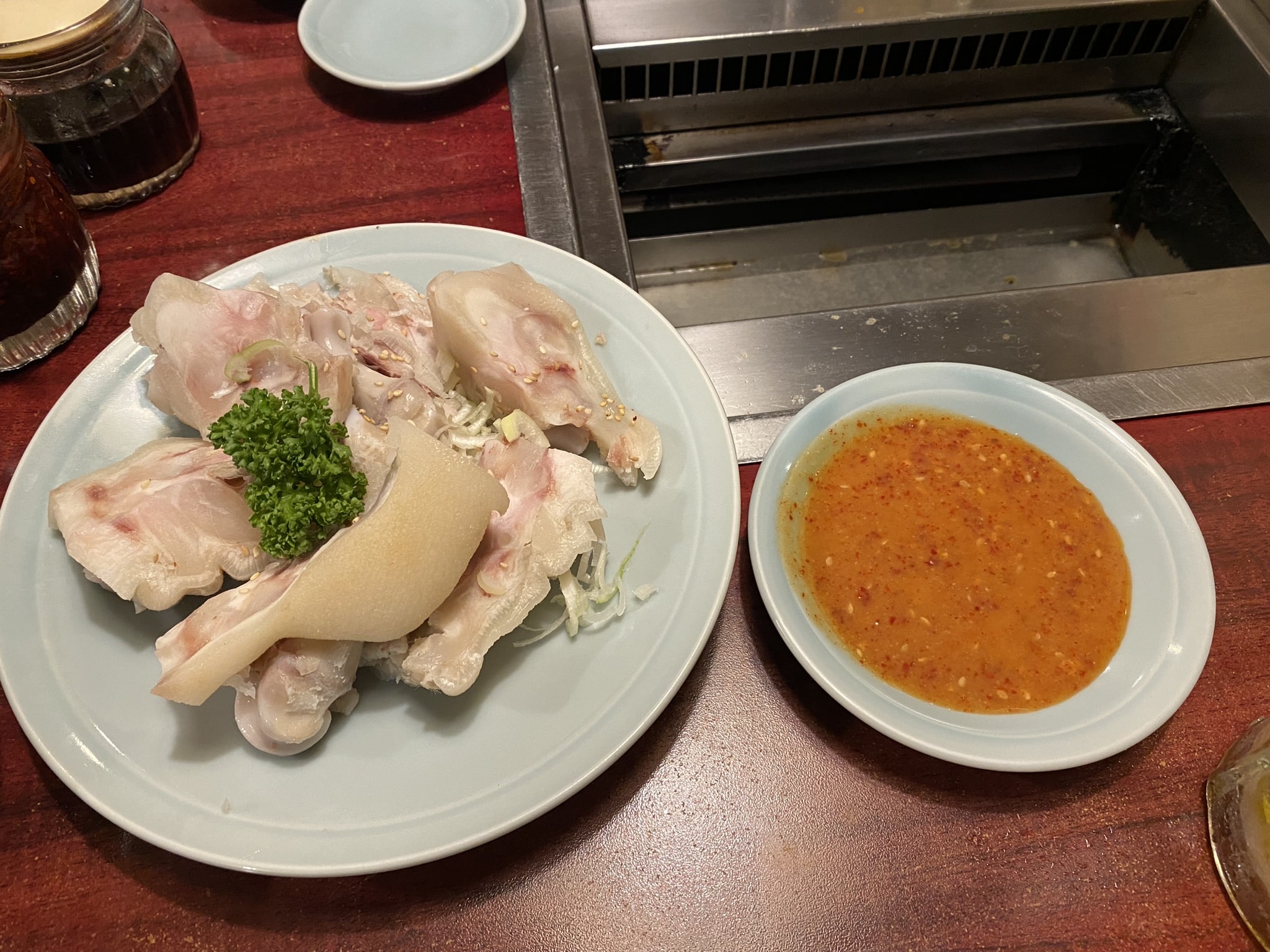
豚足 (pig's feet)
Pairing well with alchol
豚足 (pig's feet)
Pig’s feet are rich in collagen, which is beneficial for beauty. Since they are relatively flavorless on their own, they are typically eaten with condiments. A common choice is *sumiso*, a sauce made from vinegar, soy sauce, sugar, miso, and spices.
-
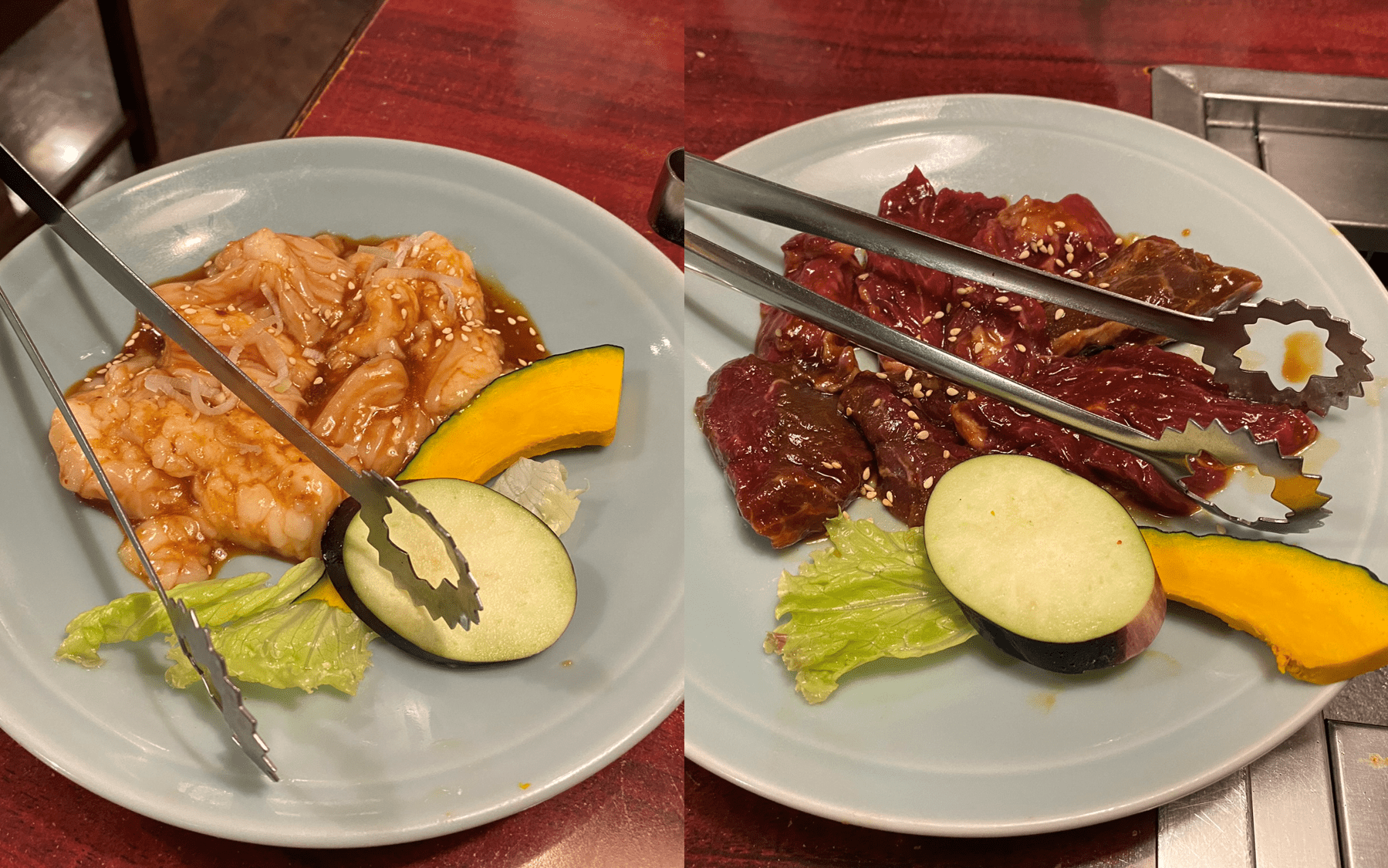
ホルモン、ハラミ (cows' or pigs' offal, skirt steak)
Typical meat for Japanese yakiniku
ホルモン、ハラミ (cows' or pigs' offal, skirt steak)
This is a dish made by mixing ground beef and pork with onions, then deep-frying it. It's greasier than tonkatsu and is often sold in convenience stores.
Item
-
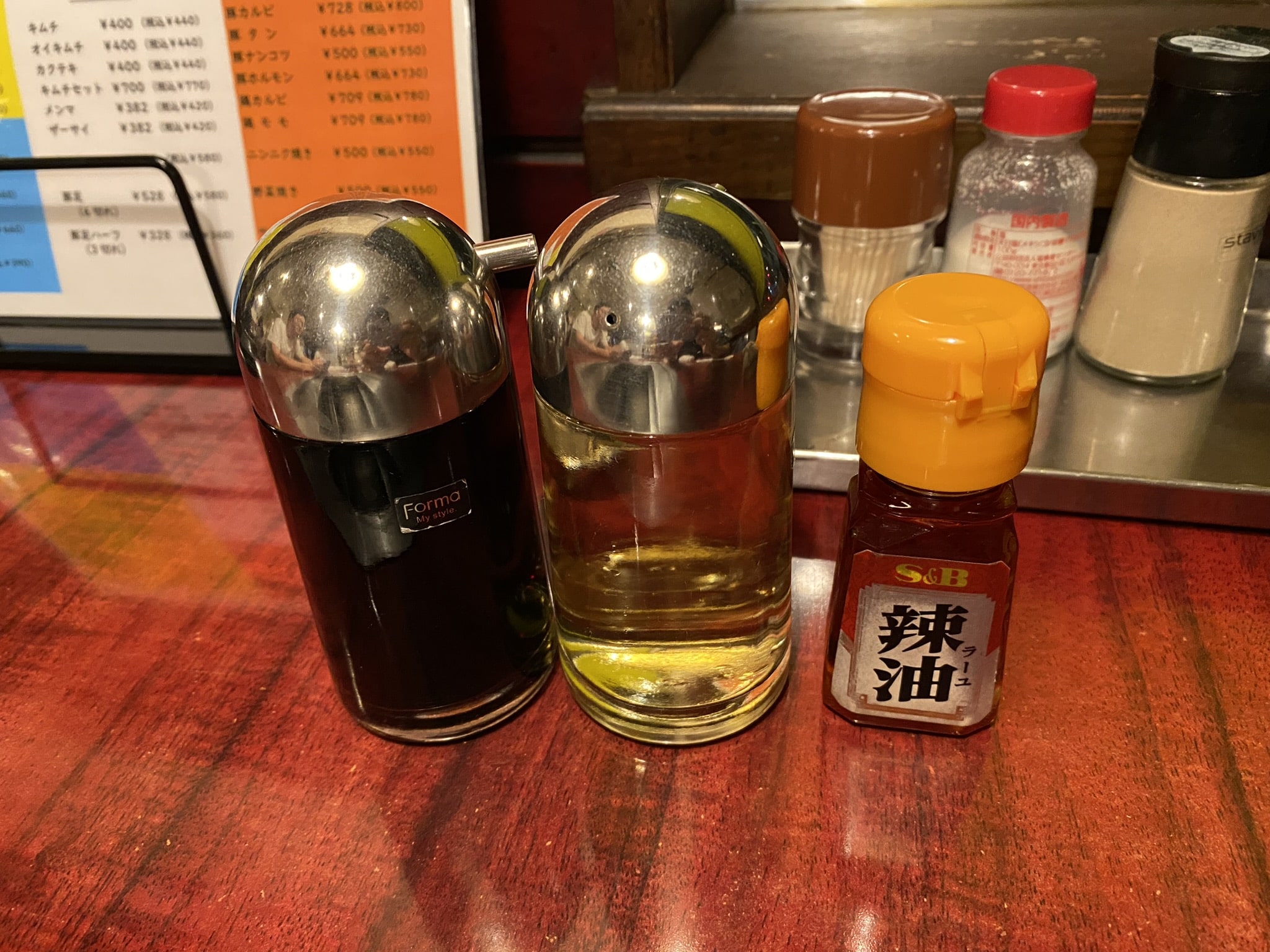
調味料 (Condiments)
Condiments for gyoza: soy sauce, vinegar, and chili oil.mix it on a dish
-
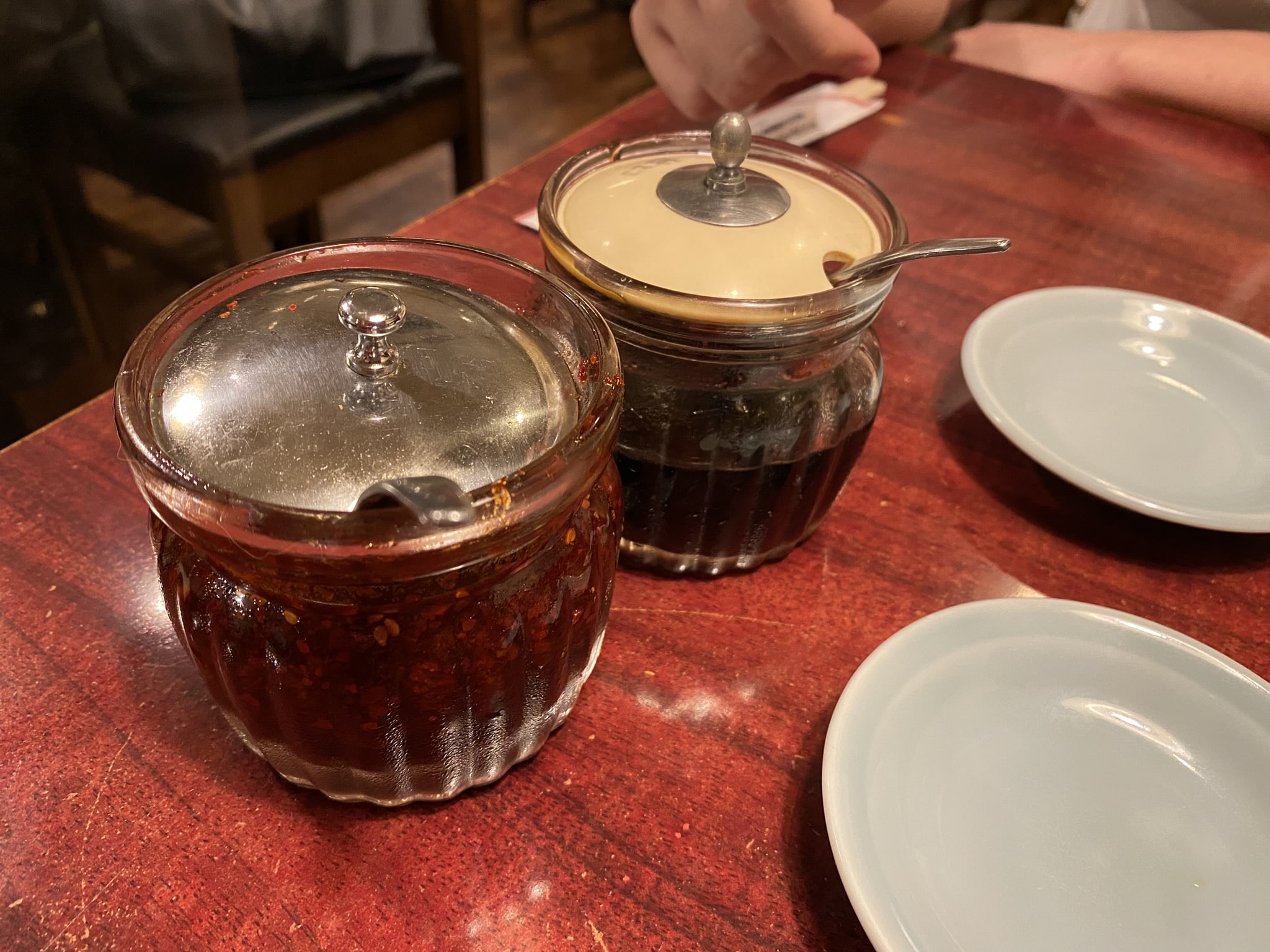
調味料 (Condiments)
Condiments for yakiniku are commonly referred to as "tare." The flavor, typically sweet and savory, varies slightly depending on the restaurant, and is made with soy sauce, umami seasonings, and spices.